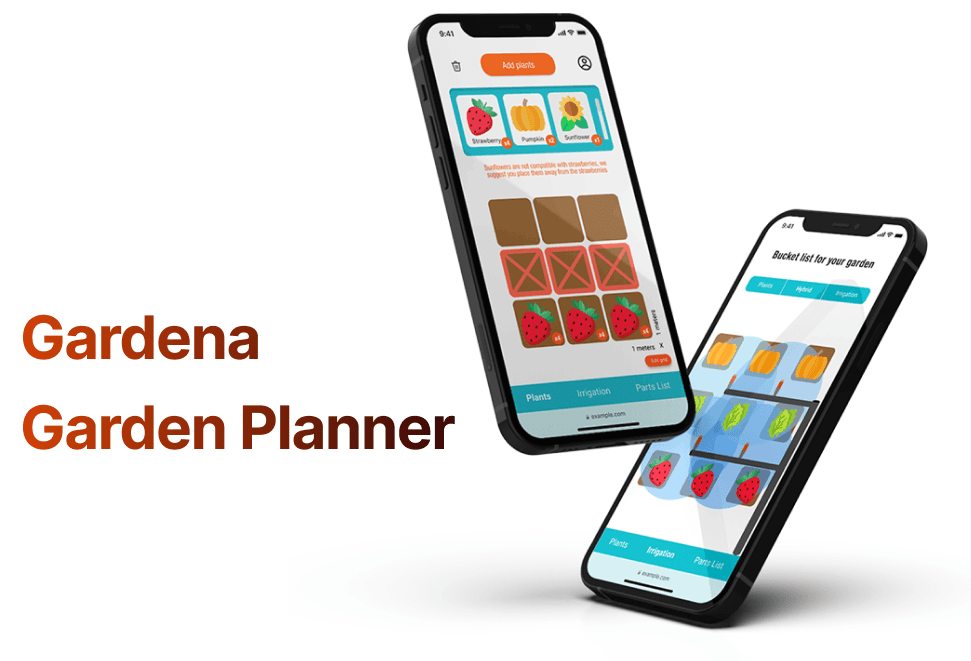
An easy and fun way to plan your garden bed and automatic irrigation system
Duration
3 months
Location
Munich, Germany
The Team
Snehi - IxD
Lukas - PM
Gur - SE
Catalina - SE
Temir - AI
My Responsibilities
User Research
Primary Research
Product Discovery
Ideation & Iteration
Wire-framing
Prototyping
Usability Testing
Tools
Figma
Miro
Jira
Adobe Photoshop
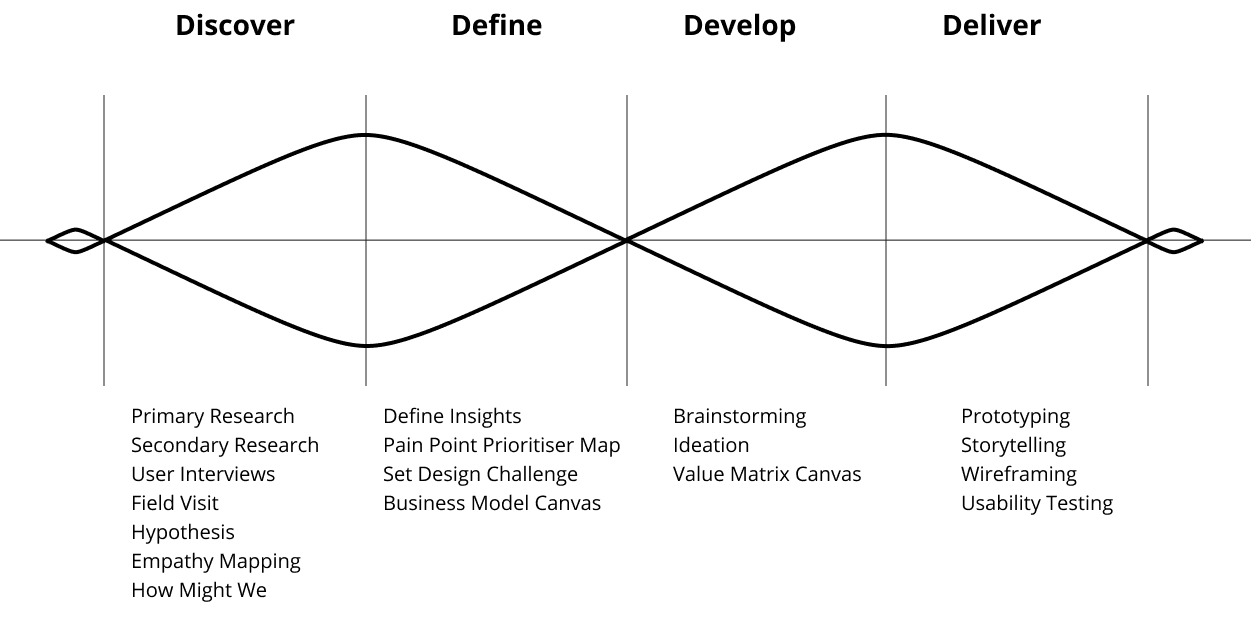
Timeline
Context
58%
Prospective customers abandoned the digital purchase path due to severe choice paralysis over complex hardware variations.
74%
Novice gardeners abandoned custom irrigation planning entirely when forced to calculate spatial geometry and flow rates manually.
62%
Newly purchased irrigation components were returned due to compatibility errors and initial onboarding ambiguity.
43%
Urban gardeners reported catastrophic plant loss within their first season, driven entirely by improper spacing and poor botanical pairing.
Gardena is a premier global brand providing high-end gardening ecosystems for enthusiasts and professionals alike. Renowned for engineering durable, premium hardware, their next strategic frontier is scaling their digital ecosystem to seamlessly connect physical products with intuitive, user-centric software solutions.
Strategic Business Challenges
Mitigating Choice Overload
An expansive product catalog left customers overwhelmed by hardware configurations, creating severe decision paralysis that directly led to cart abandonment and dropped conversion rates.
Deepening Digital Ecosystem Loyalty
To combat transactional churn, the goal was to evolve the brand from a hardware utility vendor into an indispensable digital lifestyle partner—driving long-term retention and brand advocacy through software value.
Research
5
Stakeholder Interviews
3
Field Visits
8
Consumer Interviews

Paralyzing Choice Friction
A vast array of hardware configurations, sprinklers, and nozzles creates instant choice overload, causing prospective buyers to abandon the purchase funnel entirely.
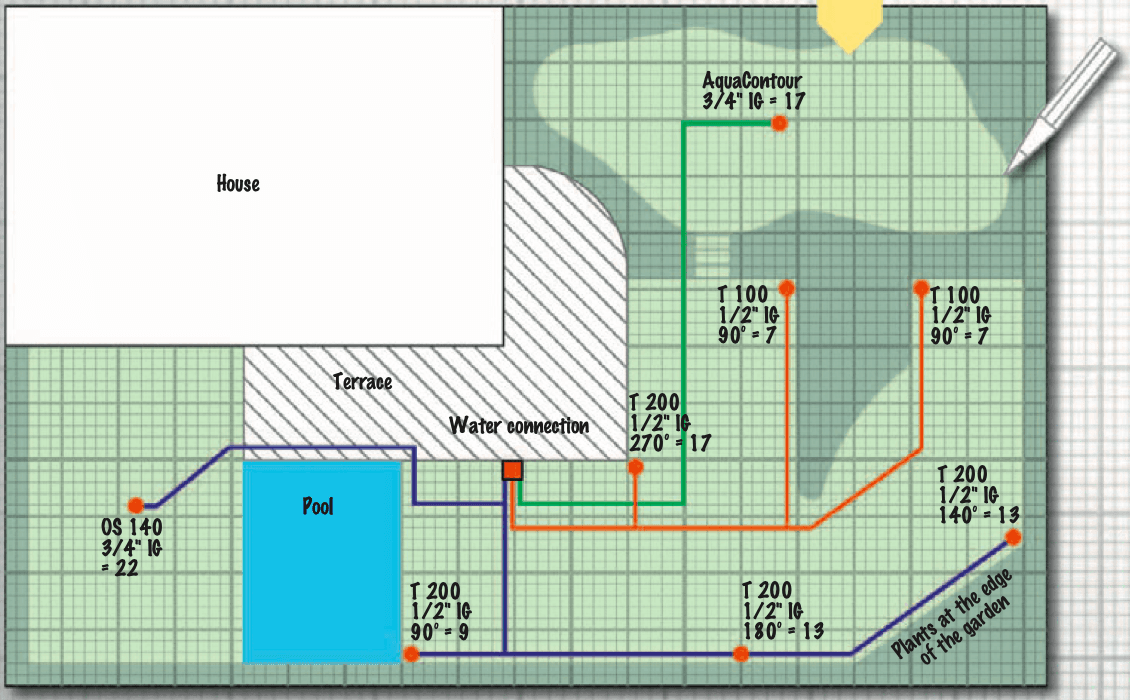
High Technical Complexity
Mapping out custom irrigation networks requires intricate spatial calculations, intimidating novice users and deterring them from adopting automated systems.
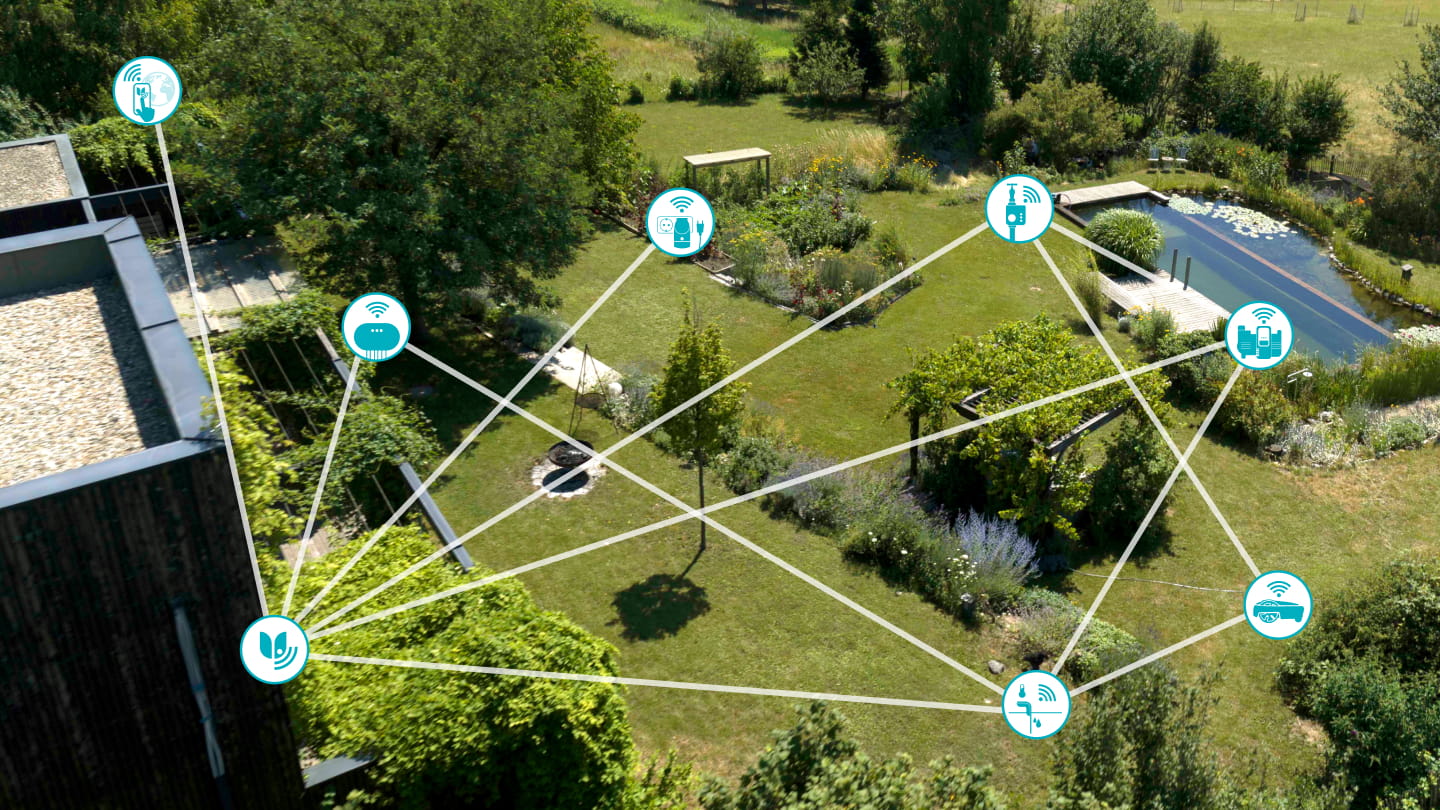
Onboarding Ambiguity
Users lack clear guidance on essential starting components, leaving them unsupported during initial setup and further overwhelmed by traditional retail environments.
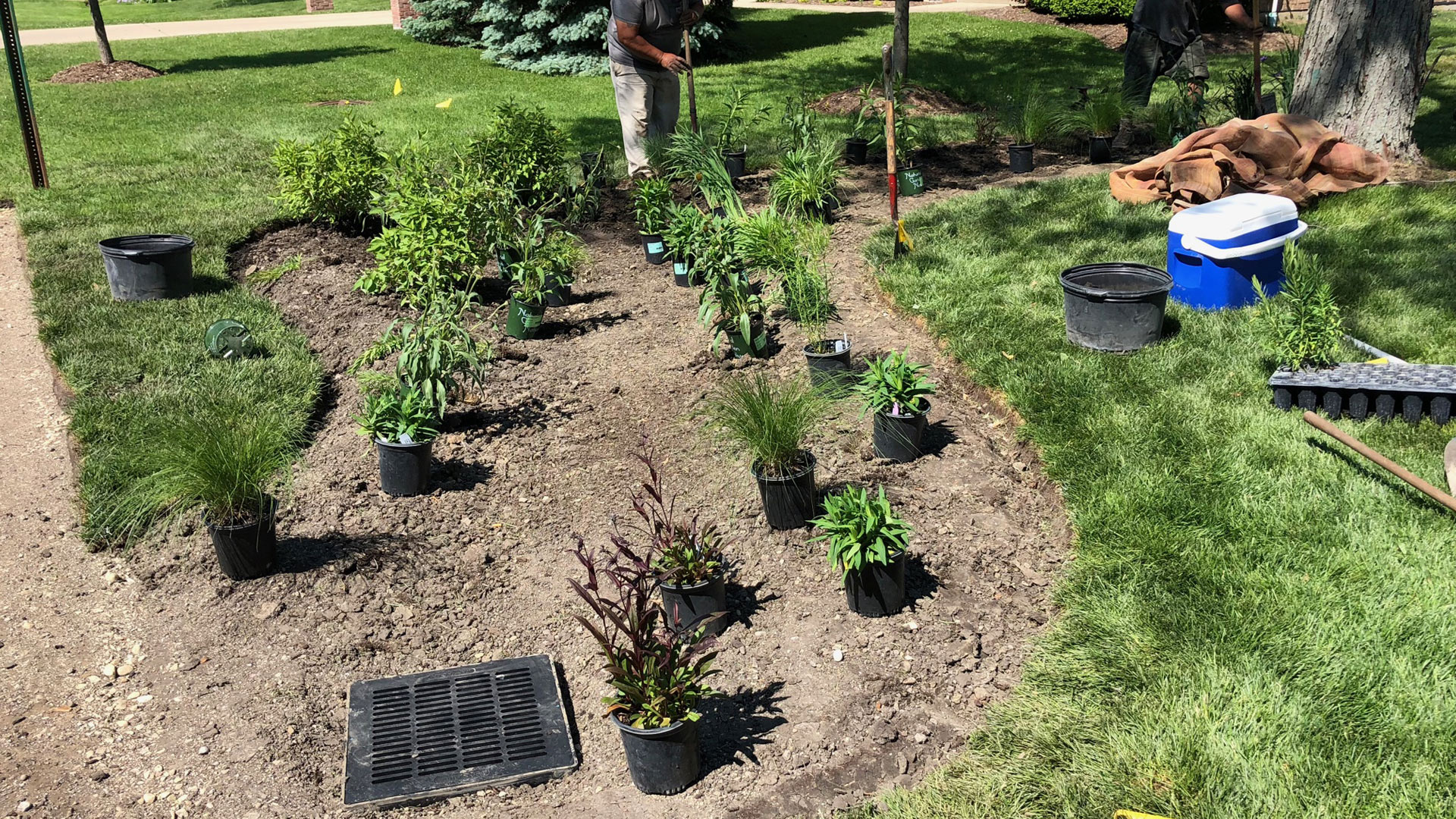
Spatial & Botanical Friction
Gardeners struggle to visualize physical layouts and lack confidence regarding plant compatibility, leading to high-risk placements and eventual plant death.
The Goal
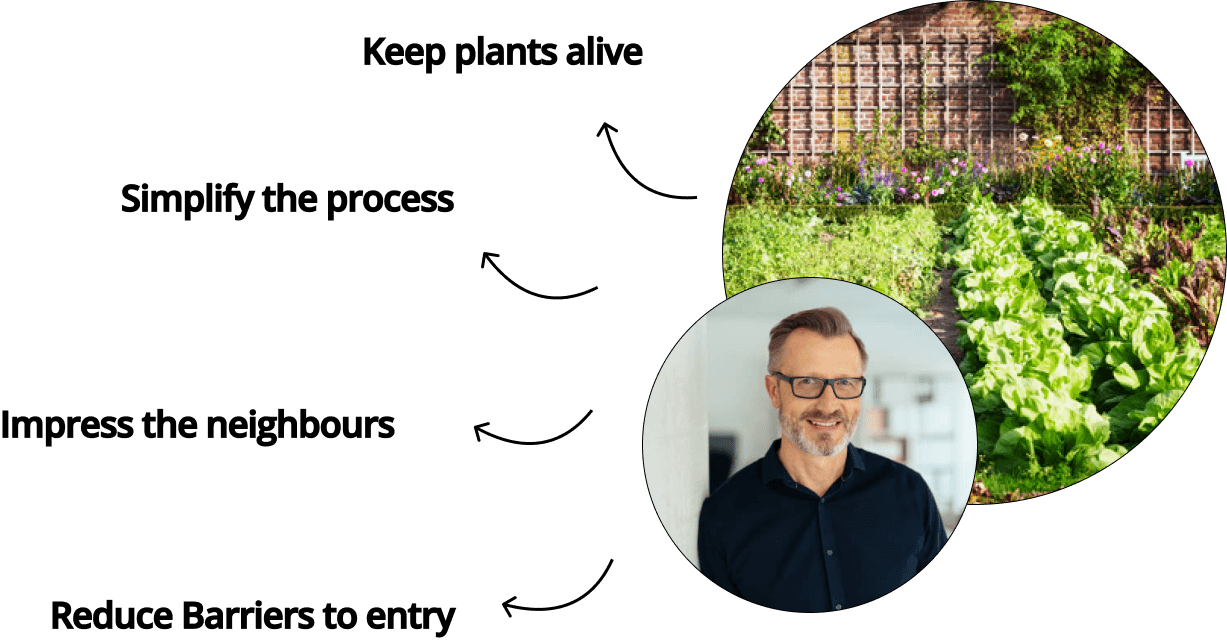
How might we help users plan their automatic irrigation system in a fun and easy way.
Ideation
Interactive Chatbot Concept
A conversational assistant designed to guide users through a targeted question-based wizard, dynamically generating a tailored retail checklist of hardware and botanical recommendations.
Visual Layout Planner
A digital mapping canvas allowing users to plot out physical environments, receive automated plant pairing recommendations, and generate customized irrigation routing schedules.
MVP
Spatial AR Application
An immersive reality concept leveraging mobile camera sensors to scan physical environments in real time, automatically charting hardware infrastructure requirements.
Time available
Engineered to maximize time-to-market speed, allowing the team to successfully ship a high-impact Minimum Viable Product (MVP) within an aggressive 3-month development window.
Stakeholder sign-off
This direction won immediate cross-functional alignment because it most effectively connected Gardena's physical hardware catalog with digital user engagement.
Desirability, Feasibility and Viability
This concept proved to be the optimal choice, scoring highest across the product triad: highly desired by gardeners, technically feasible for engineering, and highly viable for the brand.
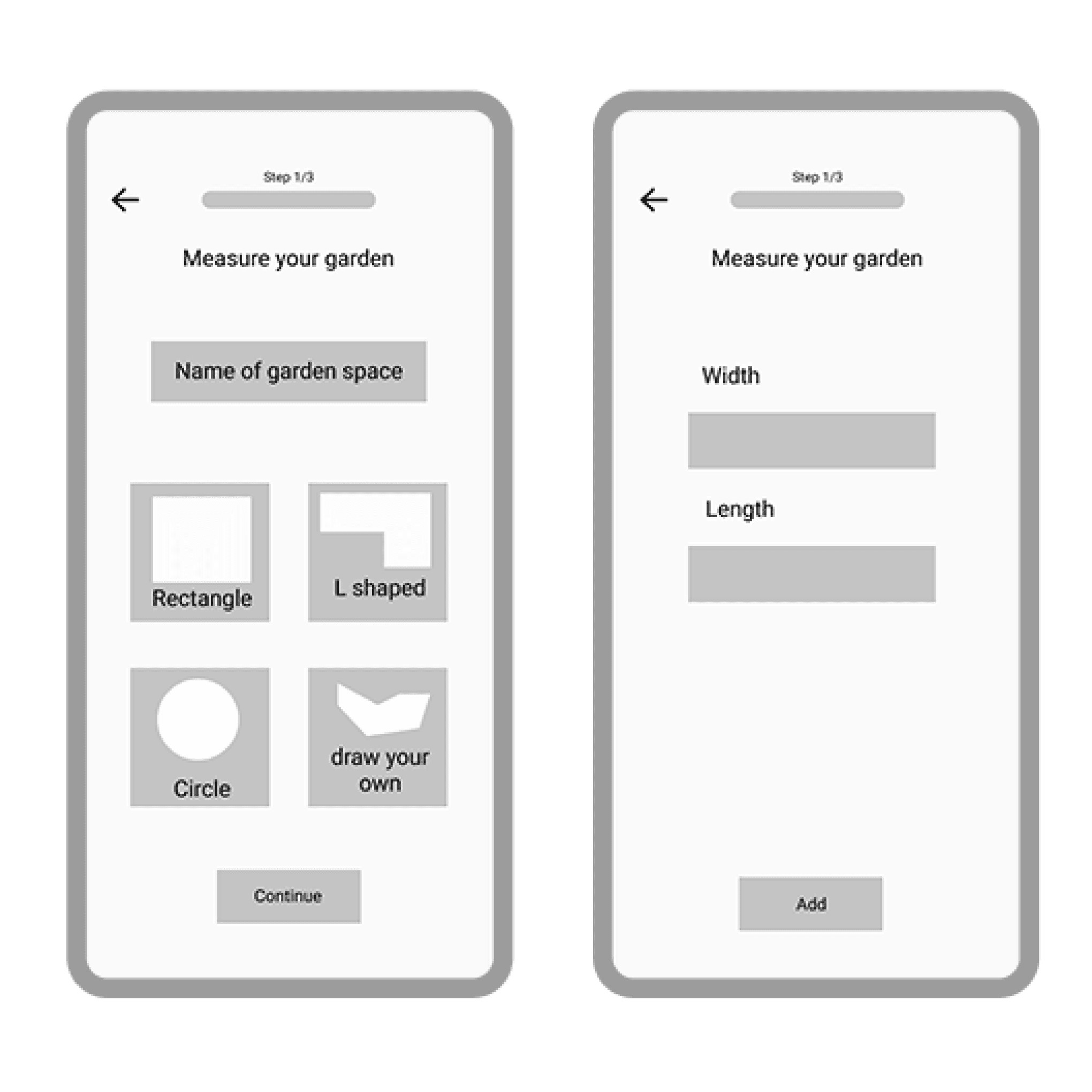
Helps to plan garden
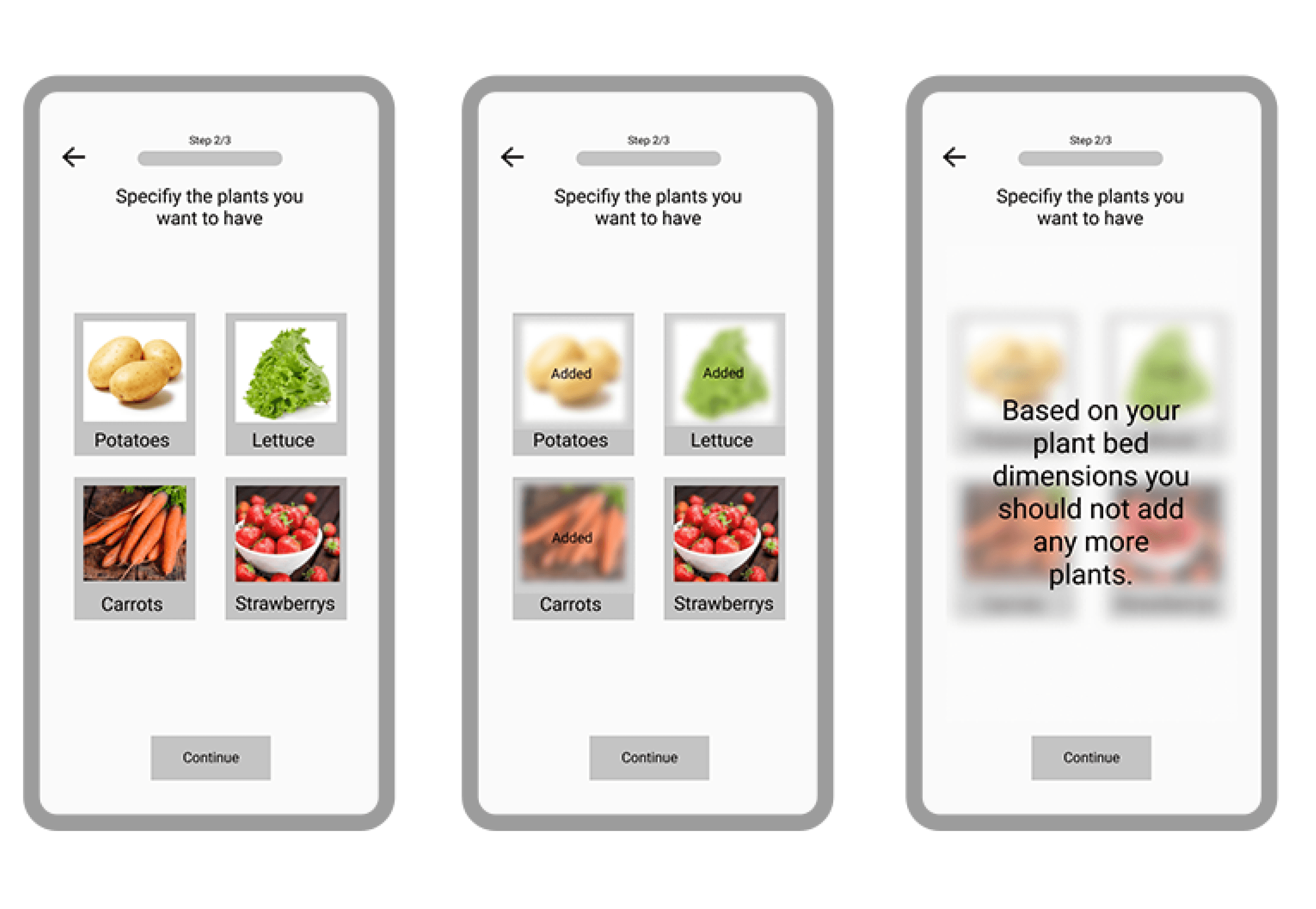
System Rigidity Friction
Testing revealed that automated, fixed-ratio plant distribution heavily restricted user autonomy and disrupted the UX. Without manual input controls for specific plant quantities, users experienced immediate confusion upon hitting capacity limits, highlighting a vital requirement for dynamic layout flexibility.
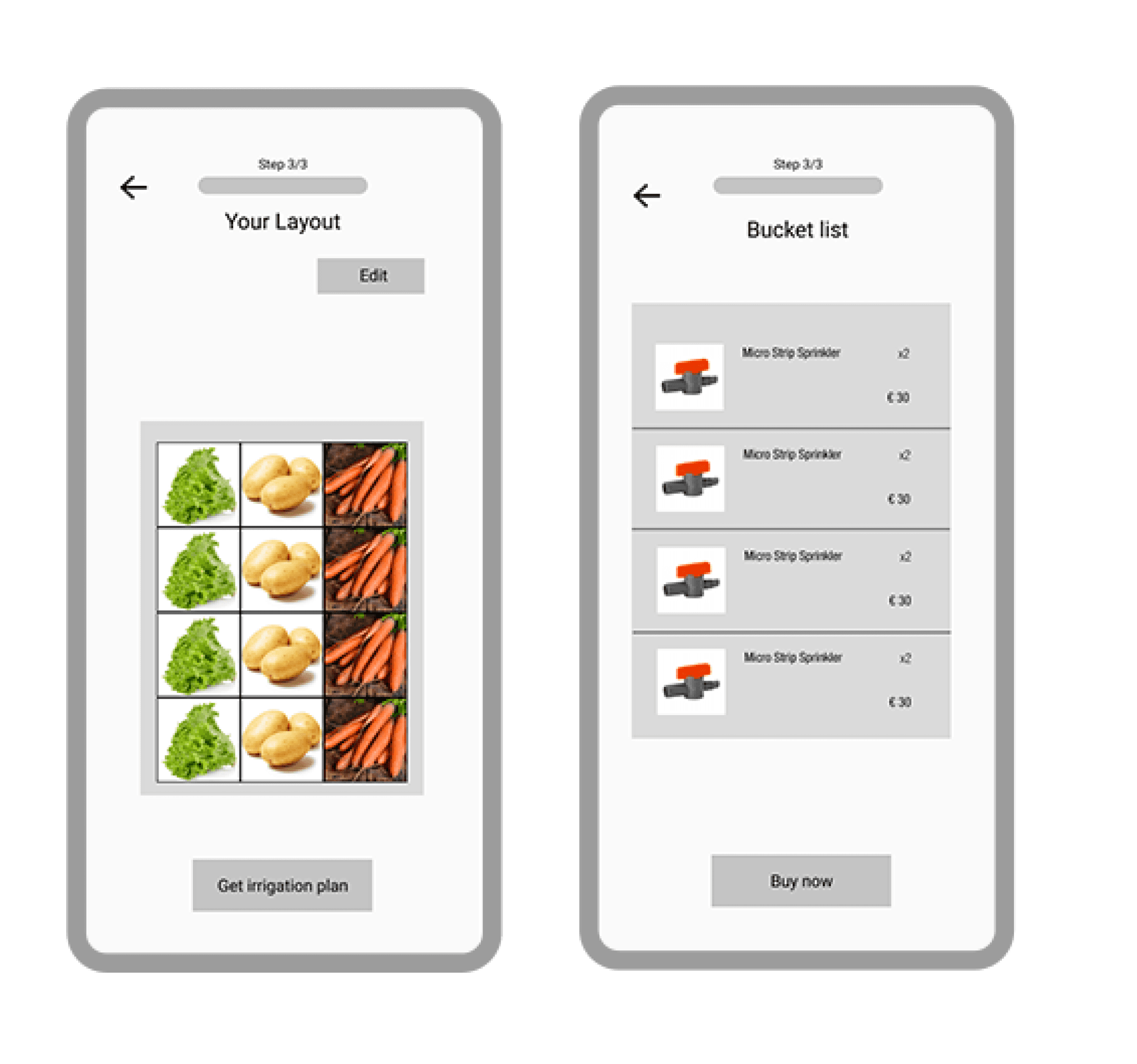
List of parts for automatic irrigation system
Automatically place plants
User Flow
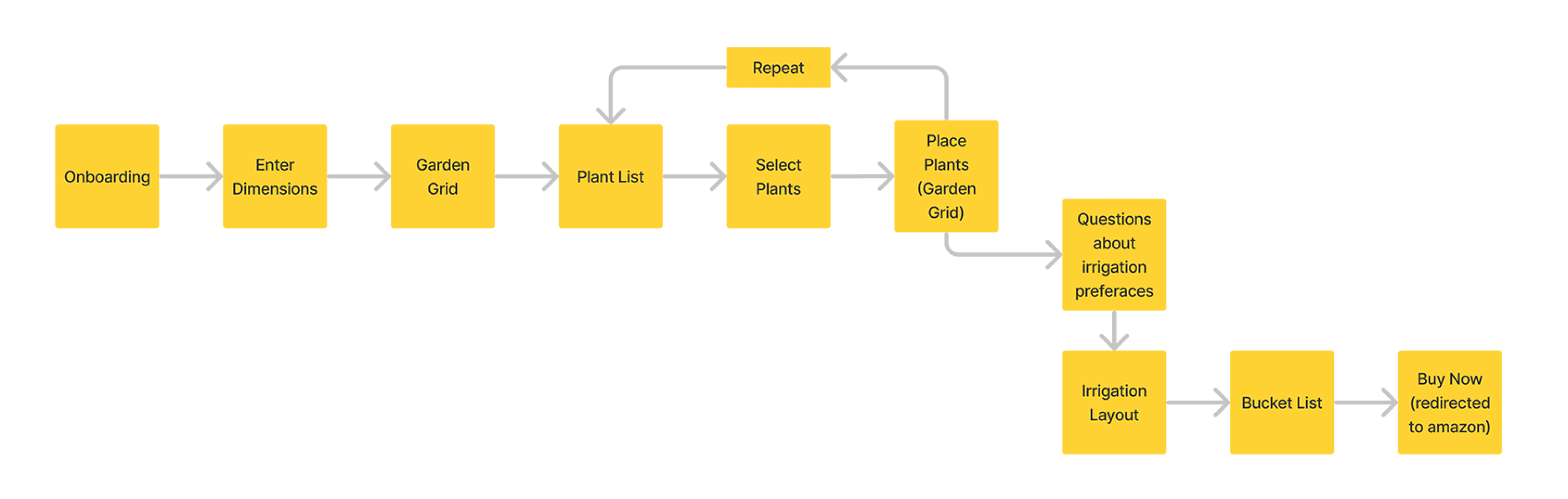
Final Design

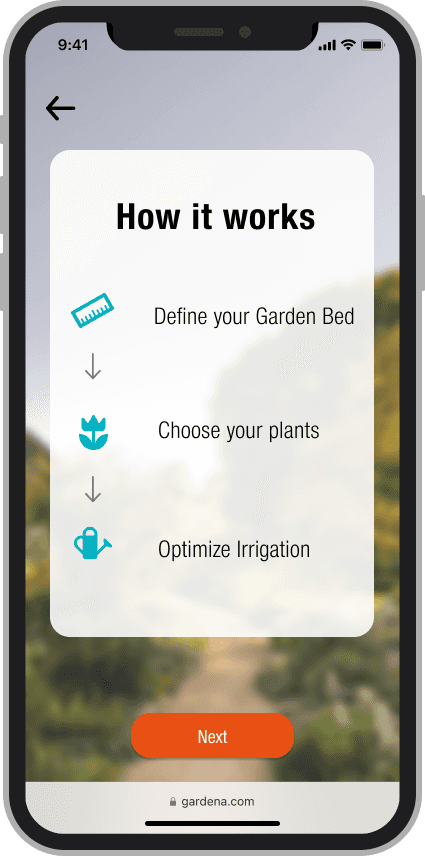
Guided Onboarding
Maps the user journey upfront to set clear behavioral expectations, drastically lowering initial interaction friction and minimizing early funnel abandonment.
Pain Point: Manual text inputs for dimensions are tedious and highly prone to typing errors or invalid measurements.

Length
Width
1 m
1 m
Pain Point: Users experience decision paralysis when trying to visualize what to plant.
Solution:
A modular layout grid that simplifies spatial planning, allowing users to effortlessly select and position plants with a single tap.

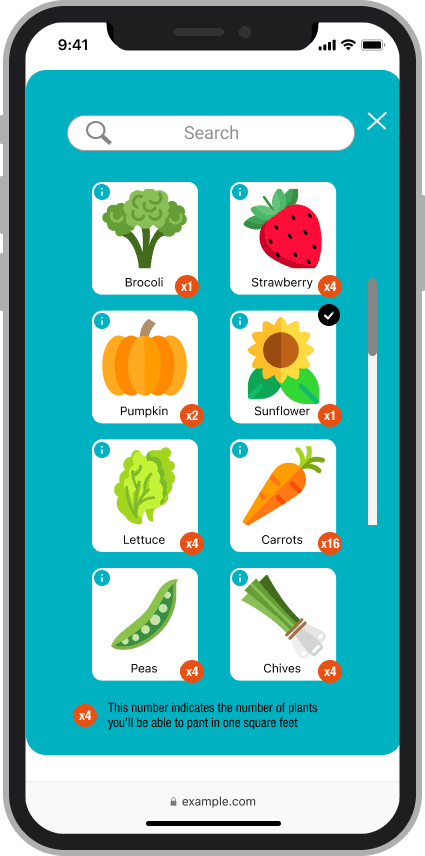
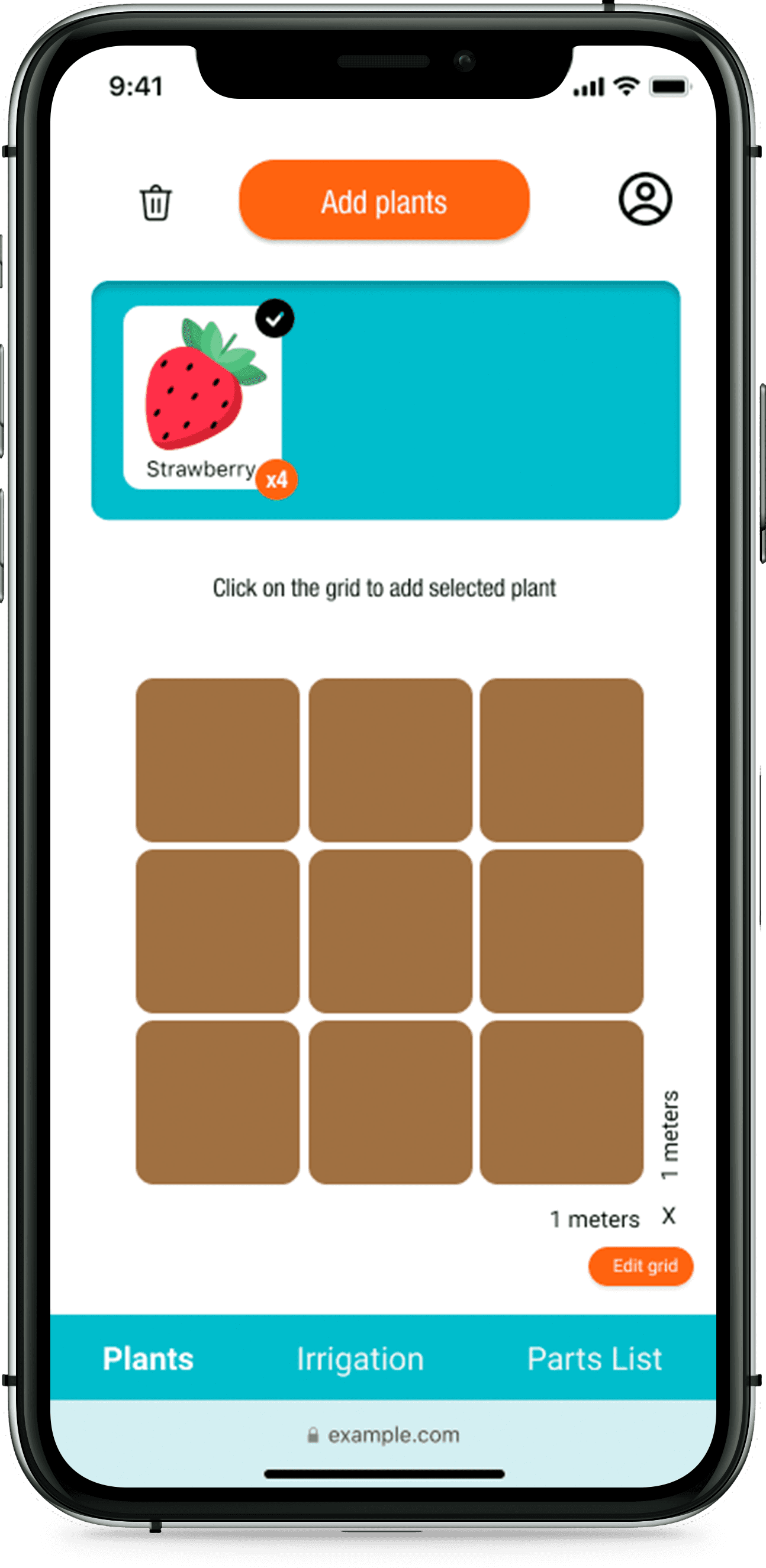
Pain Point: Users lack the botanical knowledge to know which plants thrive together.




x4
x4
x4
The users can place the selected plants on the grid. The red cross will not allow the user from placing plants together which are not compatible.

All relevant information about the plant is given so that the user can make an informed decision and select the plants which suit them best.
Pain Point: Fully automated system layouts fail to account for personal user constraints.


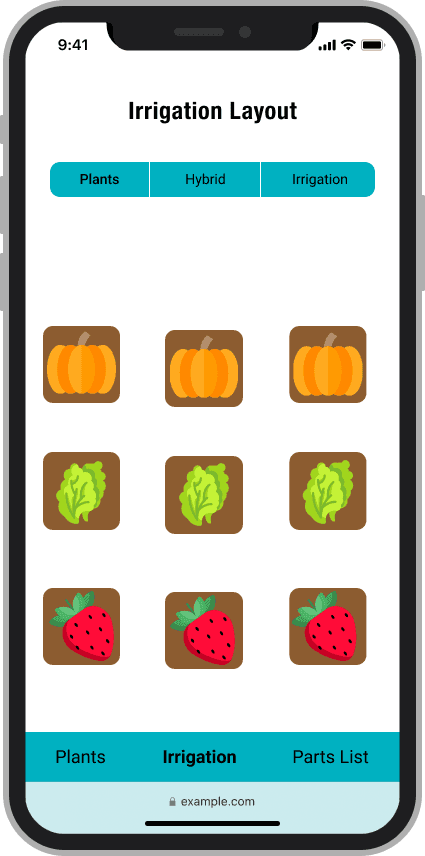


Pain Point: Calculating spatial geometry and water flow for irrigation lines is highly technical and confusing.
Pain Point: Purchasing the wrong combination of parts leads to configuration errors and high return rates.

Easy shut-off and adjustment of pipelines....
x2
€ 16
Micro Drip Heads

Data-driven schedule assistant to improve irrigation...
x1
€ 70
Smart Water Control

The 13 mm (1/2") diameter hose is ready for use...
x3
€ 20
Textile Hose Liano™ Life

automatically irrigate your smaller, narrow patches ....
x4
€ 28
Pop-up Sprinkler SD30


Learnings
Cross-Functional Alignment
Navigating competing triad priorities—balancing UX excellence, PM launch velocity, and engineering constraints—required deep strategic alignment. Success meant moving past siloed discipline goals and translating user friction into shared product milestones. By establishing a unified vision across the team, we ensured the product advanced seamlessly without compromising usability or development speed.
Stakeholder Handoff & Validation
Designing for external impact meant balancing diverse user needs with core client business objectives. Rooting our design iterations in clear usability data secured immediate stakeholder buy-in and enthusiastic internal sign-off, resulting in a seamless product handoff as the team prepares for the upcoming live launch.
Agile Design Operations
Operating in a fast-paced Agile framework required proactive pipeline management. To prevent engineering bottlenecks, I established an operational cadence that kept user research and high-fidelity design two sprints ahead of development. This guaranteed a continuous cycle of tested, validated design assets were completely ready for production kickoff.